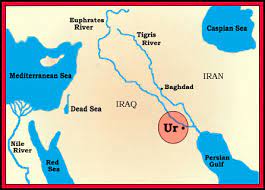
In 2300 B.C.E. in the ancient city of Ur, an influential woman named Puabi (Sumerian: 𒅤𒀜) emerges from the depths of history. She was queen of a kingdom that stretched across a swath of what is now modern day Iraq. While Puabi’s true status as queen or priestess remains debated, her tomb, labeled as grave PG 800, beckons with intriguing secrets.
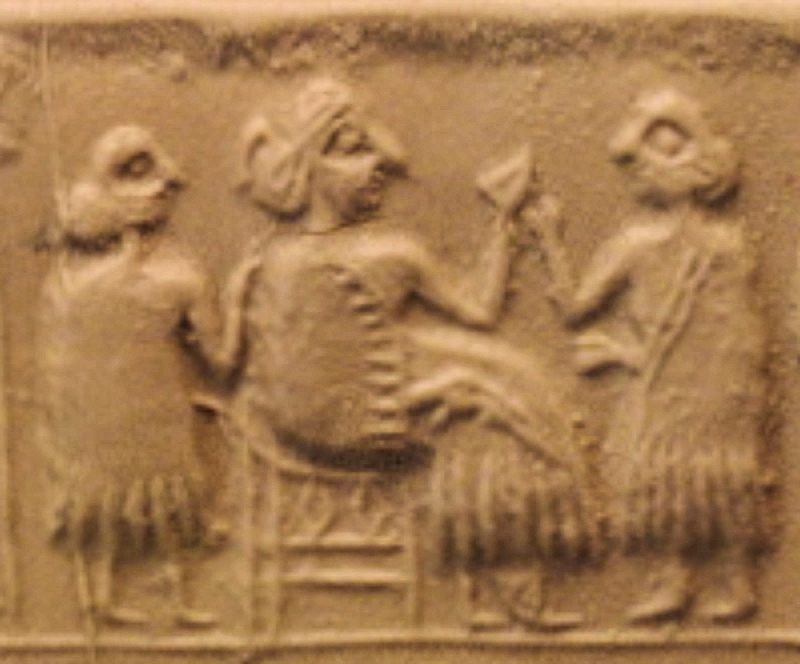
Cylinder seals found within the tomb reveal the titles “nin” and “eresh,” typically associated with queens and priestesses. Notably, Puabi’s seal lacks any mention of a king or husband, hinting at the possibility of her independent rule. Speculation swirls that she may have been the second wife of King Meskalamdug, adding an extra layer of mystery.
What captivates us most is the cultural mosaic woven into Puabi’s story. As a Semitic Akkadian woman, her esteemed position among the Sumerians speaks of vibrant cultural exchange and influence. It ignites curiosity about the deep connections between the Sumerians and their Semitic neighbors.
Unfortunately, the specifics of Puabi’s personal life elude us, obscured by the sands of time. However, her tomb serves as a gateway to understanding the society and culture of ancient Mesopotamia. Each excavation brings forth valuable insights, unveiling new and captivating questions about the lives and customs of our ancient ancestors.
Puabi, an enigmatic figure of power and significance, continues to mesmerize our imagination. Her story stands as a testament to the allure of history and the never-ending quest to unlock the enigmas concealed within the ancient world.
Located in 1922 C.E. by British archaeologist Leonard Woolley, her tomb stood out for its untouched state and the extraordinary wealth of grave goods within.
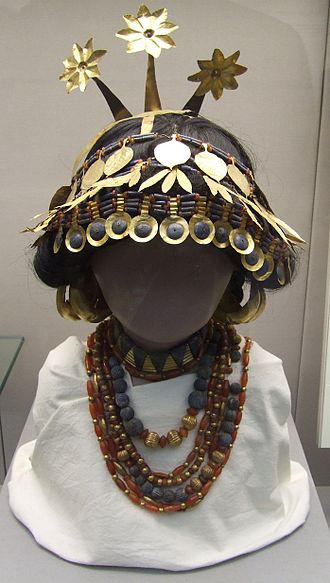
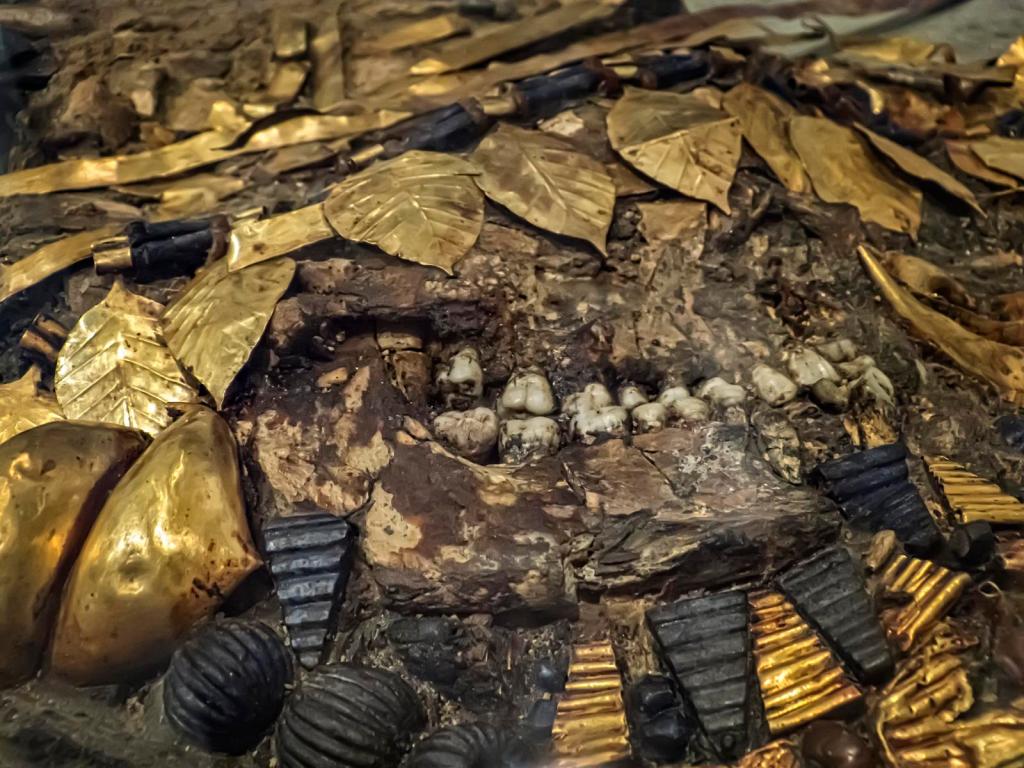
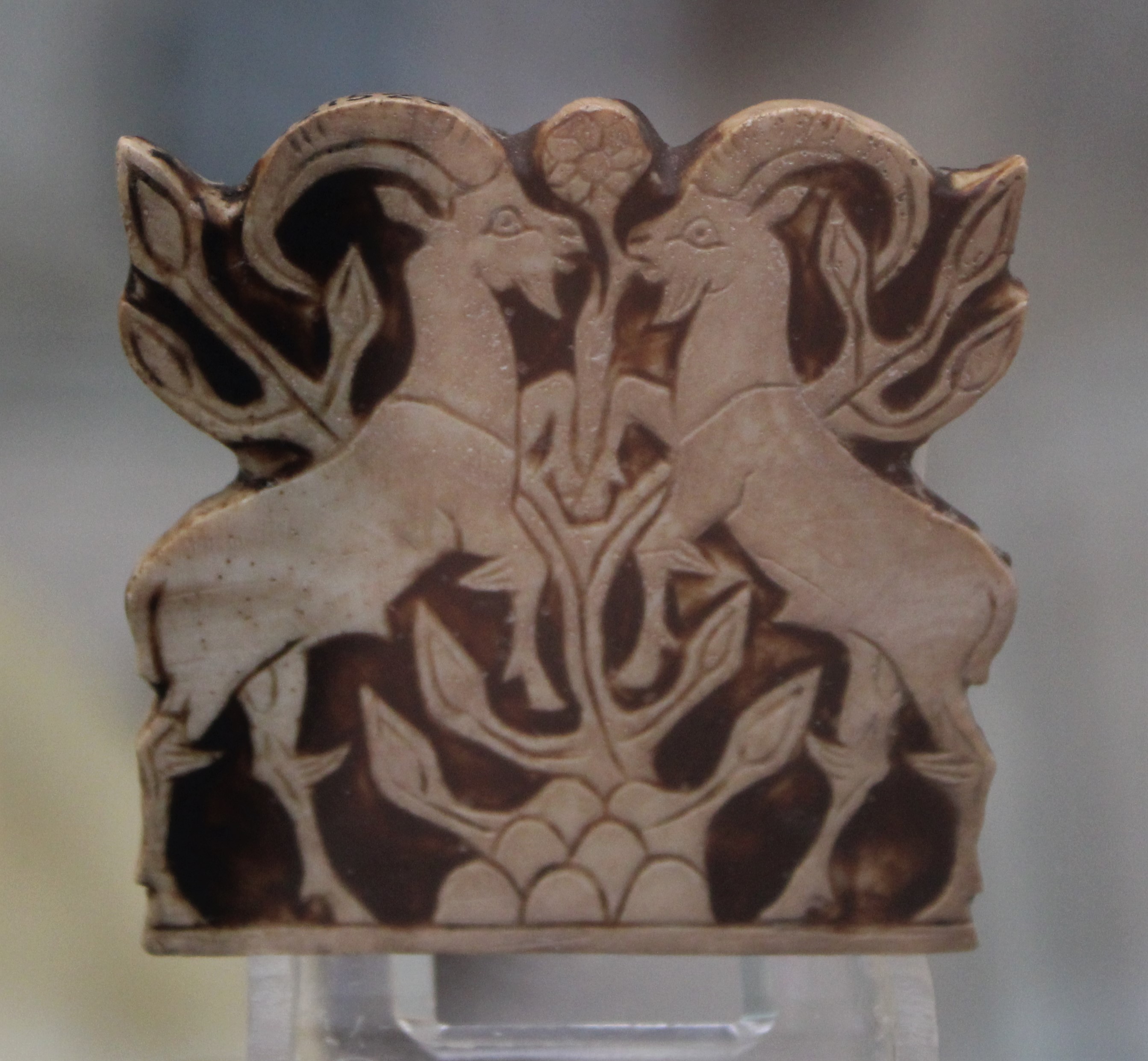
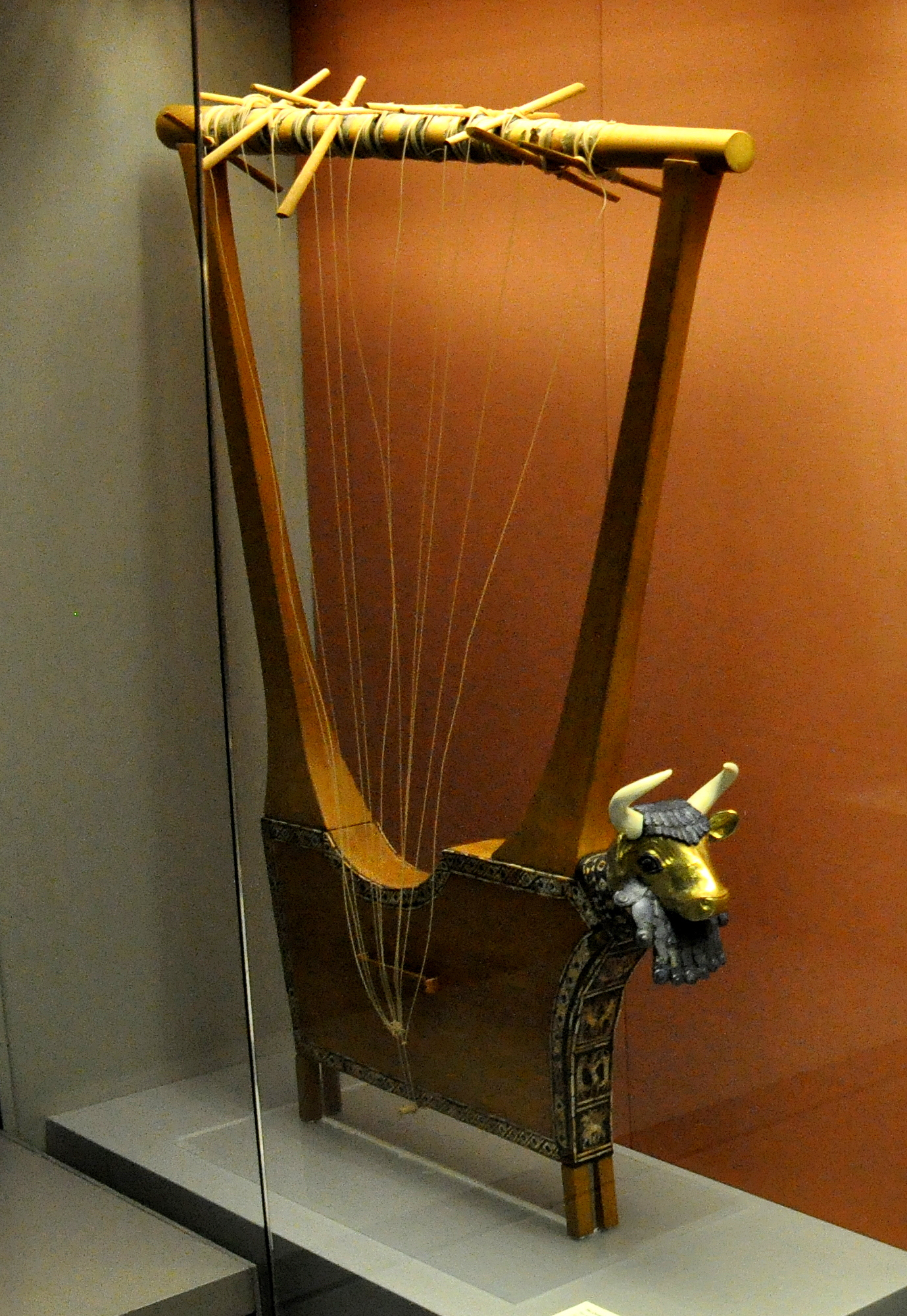
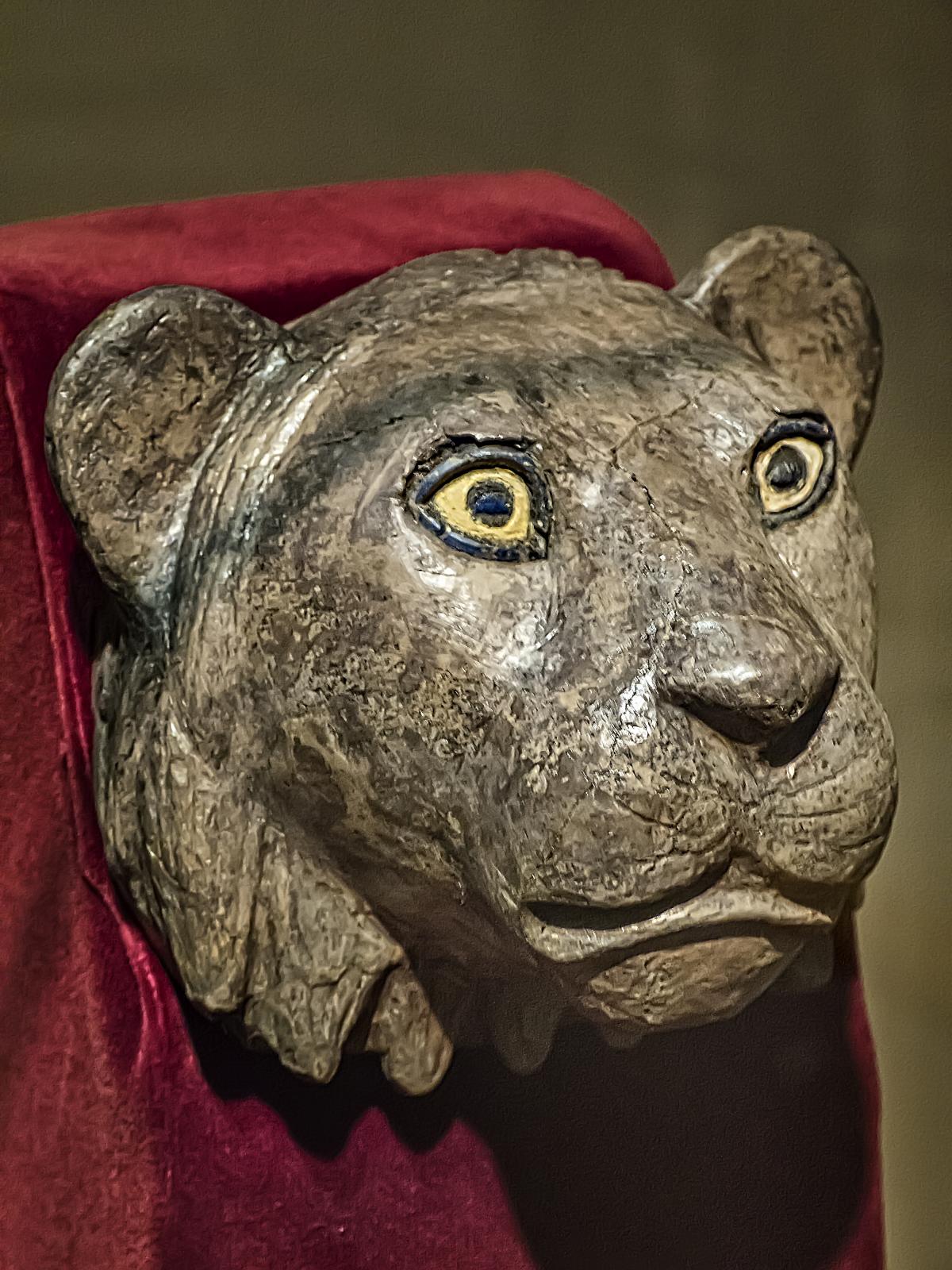
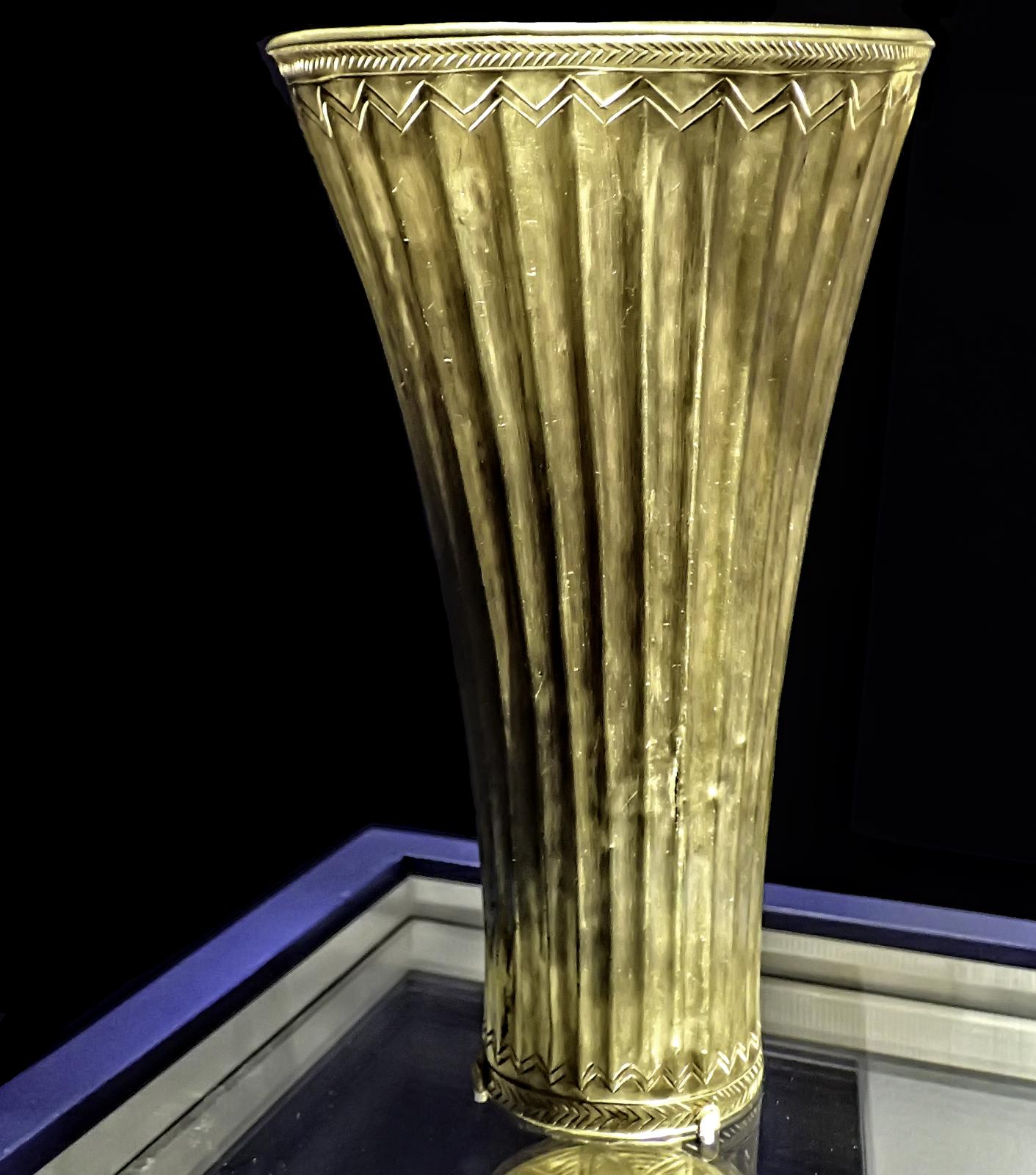
Woolley’s team was filled with wonder as they unearthed Puabi’s treasures. A golden headdress adorned with leaves, rings, and plates shone brilliantly. A magnificent lyre, with a golden and lapis lazuli-encrusted bull’s head, still emitted celestial melodies. The tomb practically overflowed with gold tableware, dazzling necklaces, belts with cylindrical beads of gold, carnelian, and lapis lazuli. Silver lions’ heads decorated a silver and lapis chariot. While brass bowls spilled their contents of golden rings and bracelets.
The tomb also held mysterious death pits, raising questions about their connection to Puabi. One grand pit housed lavishly adorned attendants, surrounded by servants, guards, lions, a horse, and a chariot. It was speculated that these attendants willingly joined Puabi in the afterlife through poisoning.
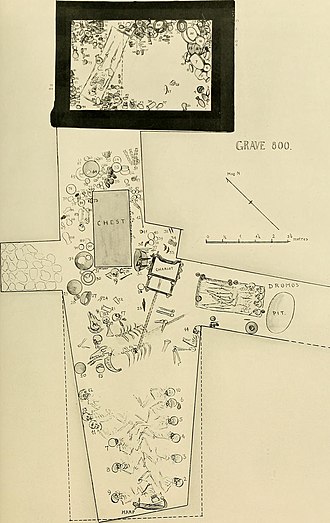
As the tomb revealed more secrets, three women lay as personal attendants in Puabi’s chamber, with their own modest adornments. Another pit above the chamber held attendants, an ornate harp or lyre, a chariot, and remnants of a chest with grooming items. The exact link of these death pits to Puabi remained uncertain.
CAT scans and examinations shed light on the sacrifices, indicating violent deaths through blunt force trauma. Tools discovered, including a pointed, weighted instrument and a small hammer-like tool, hinted at the methods used. Cinnabar (oxidized mercury) residue suggested its role in preserving the bodies until the necessary funerary rites.
Today, Puabi’s remains reside in the Natural History Museum in London, while her treasures are scattered among esteemed institutions, awaiting return to the land of her birth. Though Puabi’s story remains partially untold, her tomb and its contents continue to fascinate, serving as gateways to the enigmatic civilization of ancient Mesopotamia.


References
- British Museum notice WA 121544
- Anthropology, University of Pennsylvania Museum of Archaeology and; Hansen, Donald P.; Pittman, Holly (1998). Treasures from the Royal Tombs of Ur. UPenn Museum of Archaeology. p. 78. ISBN 9780924171550.
- “Queen Puabi’s Headdress from the Royal Cemetery at Ur – Penn Museum”. http://www.penn.museum. Retrieved 2019-03-28.
- Durn, Sarah, The Most Lavish Mesopotamian Tomb Ever Found Belongs to a Woman, Atlas Obscura, February 10, 2022 with an image of adornment found on Puabi
- Pr, Univ Of Pennsylvania; Anthropology, University of Pennsylvania Museum of Archaeology and; Hansen, Donald P.; Pittman, Holly (1998). Treasures from the Royal Tombs of Ur. UPenn Museum of Archaeology. p. 78. ISBN 978-0-924171-54-3.
- Crawford, Harriet (2013). The Sumerian World. Routledge. p. 622. ISBN 9781136219115.
 No Dead White Men